Morphine addiction
Morphine addiction marks the terminal phase of Yozo's long descent into self-obliteration, a condition that completes his transformation from a troubled but functioning individual into a helpless, degraded creature utterly dependent on a substance. It is the logical endpoint of a life spent fleeing the unbearable weight of human contact, and it delivers him, at last, into the institutional confinement that confirms his status as a reject.
Origin and Transition from Alcohol
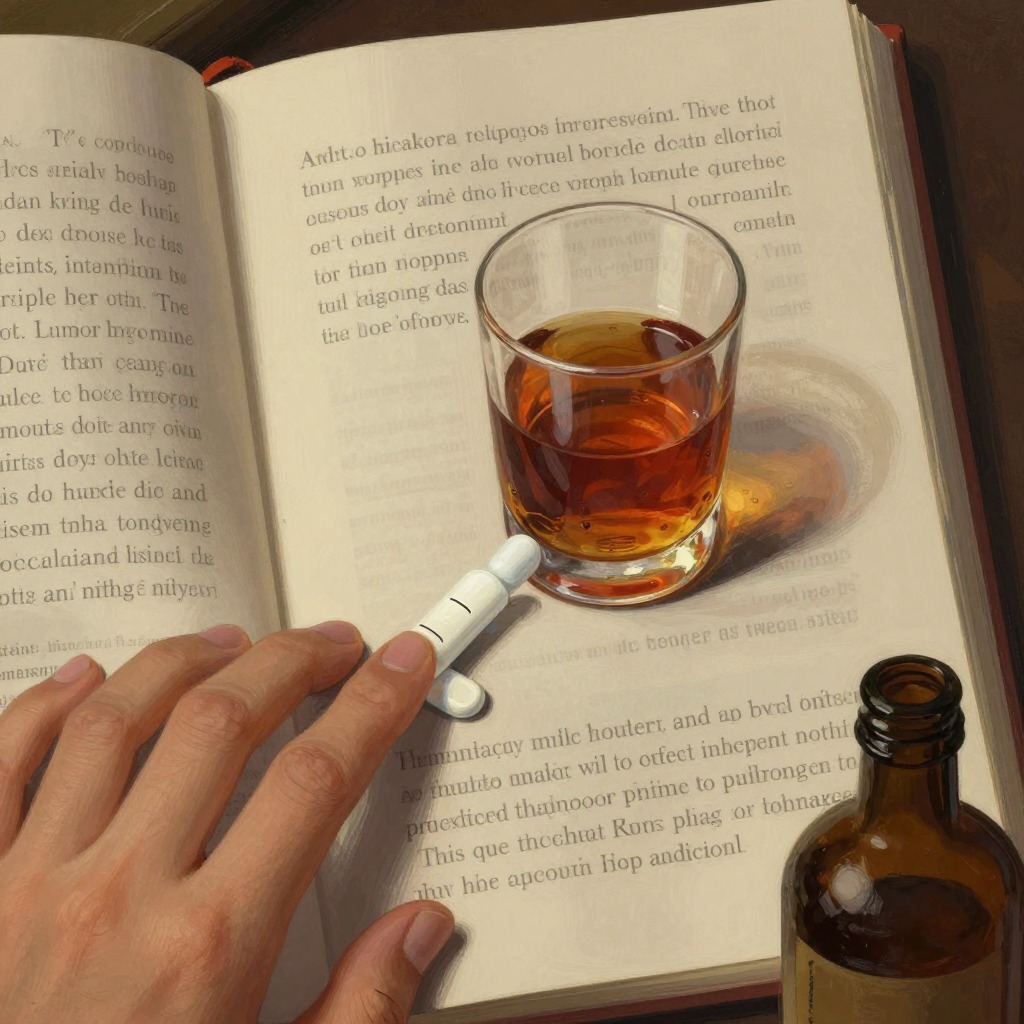
Yozo's addiction to morphine begins not as a deliberate choice but as a desperate substitution. After years of heavy drinking, he finds himself vomiting blood in the snow one winter night, a physical crisis that forces him to confront the damage alcohol has done to his body. Seeking a remedy, he visits a pharmacy run by a woman who walks with crutches, a fellow sufferer whose own husband died of tuberculosis exacerbated by liquor. She warns him that he must stop drinking, and when he confesses that he cannot endure the anxiety without some chemical support, she offers him a small box of morphine, assuring him it is no more harmful than alcohol. Believing her, Yozo injects the drug into his arm for the first time. The effect is immediate and transformative: his insecurity, fretfulness, and timidity vanish, replaced by an expansive optimism and fluent talkativeness. He applies himself energetically to his cartoon work, sometimes even laughing while he draws. The relief is so profound that he does not recognize the trap he has entered.
Rapid Escalation and Dependence
The initial promise of controlled use quickly collapses. Yozo intends to take one shot per day, but the dosage escalates to two, then three, then four injections daily. He reaches a point where he cannot work unless he has had his shots. The pharmacist woman, now alarmed, warns him of the danger of addiction, but her admonition only confirms what he already suspects: he has become a confirmed addict. His susceptibility to suggestion—a lifelong trait—works against him; the mere mention of addiction makes him feel that he must live up to the expectation, and he increases his consumption. The drug, which once liberated him from fear, now binds him more tightly than alcohol ever did. He begins to copy pornographic pictures to sell secretly, using the money to buy more morphine. He also begins a sordid affair with the crippled pharmacist, a relationship that mirrors the degradation of his dependency. The two of them weep together when he cannot pay his mounting debts, but she continues to supply him, half a box at a time, as he begs and kisses her for more.
Physical and Psychological Deterioration
As the addiction deepens, Yozo's body and mind decay in parallel. His face coarsens markedly, his teeth fall out from the constant drinking that he has now replaced with injections, and his weight fluctuates wildly as his chest ailment worsens. He coughs blood intermittently. The morphine, far from restoring his health, accelerates his decline. Psychologically, he enters a state of frenzied despair, pacing back and forth between his apartment and the pharmacy, half-mad with craving. He thinks constantly of death, convinced that no recovery is possible and that every action he takes only adds another layer of shame. The dream of riding bicycles with Yoshiko to see a waterfall framed in green leaves—a vision of innocent happiness that once sustained him—now seems utterly unattainable. He concludes that living itself is the source of sin, and he resolves to die.
The Letter to His Father and the Failed Escape
As a last resort, Yozo writes a long letter to his father, confessing his circumstances fully and accurately, omitting only his relations with women. He stakes everything on this appeal, treating it as a bet on the existence of God: if it fails, he will hang himself. The answer never comes. The silence from his father—who is already dying of gastric ulcers, though Yozo does not know it—intensifies his anxiety and dread, driving him to increase the morphine dosage still further. He plans to give himself ten shots in one night and throw himself into the river. But on the afternoon of the chosen day, Flatfish and Horiki arrive, having somehow intuited his intention. Horiki speaks to him with a gentle smile, the like of which Yozo has never seen on his face, and says he has heard about the blood. The kindness shatters Yozo completely; he averts his face and weeps. He is bundled into a car and taken to a hospital, where a young doctor with a bashful smile examines him and pronounces that he needs rest. The key grates in the lock: he is in a mental hospital.
The Refusal and Its Meaning
In a moment that stands as the single exception to a lifetime of compliance, Yozo refuses something offered to him. As Yoshiko, Flatfish, and Horiki prepare to leave him at the hospital, Yoshiko silently hands him the hypodermic needle and the remaining morphine, still believing it to be an energy-building medicine. Yozo says, "No, I won't need it any more." It is, he reflects, the one and only time in his life that he has refused an offer. His refusal is not an act of willpower but a response to Yoshiko's "divine ignorance"—her innocent trust that the drug is beneficial. He wonders afterward if he had already ceased to be an addict at that instant. The morphine addiction, which had seemed inescapable, dissolves not through strength but through a final, inexplicable surrender to another person's faith. Yet the release from the drug does not release him from the institution. He has become a lunatic in the eyes of the world, branded forever with the word "madman" or "reject." The morphine addiction, which began as a remedy for fear, ends by confirming his disqualification from human life.